




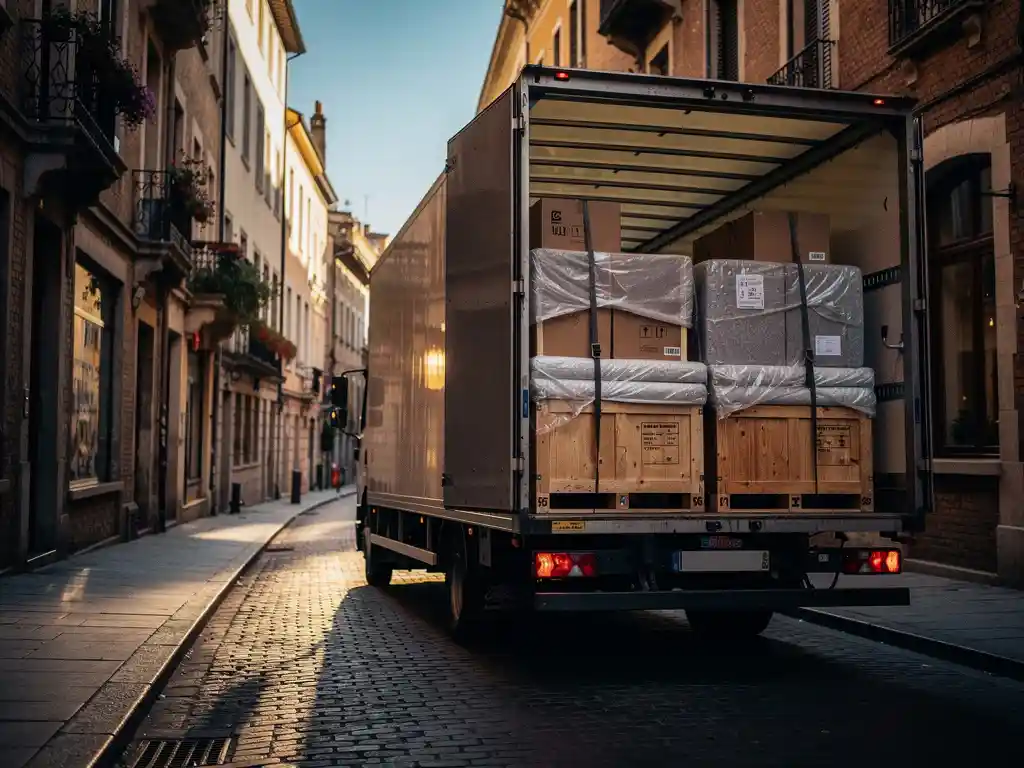
Transporting furniture to major cities presents unique logistical challenges that require careful planning and specialized expertise. Urban environments create complex delivery scenarios with narrow streets, restricted access zones, limited parking, and strict time windows that can significantly affect transportation costs and scheduling. Understanding these urban logistics factors is essential to ensuring successful furniture delivery while minimizing delays and additional expenses.
Whether you’re moving office furniture to downtown business districts or delivering residential pieces to high-rise apartments, city deliveries demand strategic planning and the right equipment. From navigating traffic restrictions to securing the proper permits, every aspect of urban furniture transport requires attention to detail and professional coordination.
What makes furniture transport to cities more challenging than rural areas?
City furniture transport involves multiple obstacles, including traffic congestion, parking restrictions, narrow streets, and limited loading zones, all of which significantly complicate delivery logistics compared to rural areas. Urban environments often require smaller vehicles, longer delivery windows, and specialized equipment to navigate tight spaces and building access points.
Traffic density in major cities creates unpredictable delivery schedules, as rush-hour congestion can double transport times. Many city centers impose delivery time restrictions, typically allowing commercial vehicles only during early morning or late evening hours. This compressed delivery window forces logistics companies to coordinate multiple deliveries within limited timeframes.
Building access presents another significant challenge in urban areas. High-rise apartments and office buildings often have narrow elevators, stairwells, or loading docks that require furniture disassembly and specialized moving equipment. Ground-level access may be limited, requiring coordination with building management and potentially additional labor costs for carrying items manually over long distances.
Parking availability and costs add complexity to city deliveries. Delivery vehicles may need to park several blocks away from the destination, requiring dollies or hand trucks to transport furniture. Some cities require expensive parking permits or impose hefty fines for unauthorized commercial parking, increasing overall transportation costs.
How much does it cost to transport furniture to major cities?
Furniture transport to major cities typically costs 20-40% more than rural deliveries due to additional factors, including parking fees, extended delivery times, specialized equipment needs, and potential permit requirements. Urban delivery costs generally range from €150-500 for local moves and €500-2,000 for long-distance city deliveries, depending on volume and complexity.
Several cost factors contribute to higher urban transportation expenses. Time-based charges increase due to traffic delays and extended loading and unloading times in busy city environments. Fuel costs rise with stop-and-go traffic patterns that reduce vehicle efficiency. Labor costs may increase when deliveries require multiple team members to navigate stairs or tight spaces.
Additional urban-specific fees include parking permits, congestion charges in certain city zones, and potential overnight storage costs when same-day delivery isn’t possible. Some cities impose environmental fees for larger delivery vehicles, while others require escort vehicles for oversized furniture pieces.
Distance within the city also affects pricing, as deliveries to city centers typically cost more than deliveries to suburban areas due to increased restrictions and limited access. Premium services like white-glove delivery or assembly add €100-300 to base transportation costs but may be necessary for complex urban deliveries.
What permits and regulations apply to furniture delivery in cities?
City furniture deliveries often require commercial vehicle permits, loading zone reservations, and compliance with weight restrictions, noise ordinances, and designated delivery time windows that vary significantly between municipalities. Many cities require delivery permits for vehicles exceeding certain weight limits or mandate advance booking of loading zones.
Loading zone permits are essential in most major cities, typically costing €50-200 per day and requiring 24-48 hours’ advance notice. These permits reserve specific parking spaces during designated delivery windows, ensuring vehicle access to buildings. Some cities use digital permit systems that allow real-time booking and payment.
Weight and size restrictions limit which vehicles can access certain city areas. Many European city centers restrict vehicles over 7.5 tonnes, while some historic districts prohibit large trucks entirely. Height restrictions in underground parking areas or under low bridges may require route planning with smaller vehicles.
Time-based regulations control when commercial deliveries can occur. Most cities restrict delivery hours to reduce traffic congestion, typically allowing commercial vehicles between 6:00-10:00 AM or 7:00-11:00 PM. Some areas impose complete delivery bans during peak hours or special events.
Environmental regulations increasingly affect urban deliveries, with some cities requiring low-emission vehicles or imposing additional fees for diesel trucks. Noise ordinances may restrict delivery activities near residential areas during evening or early morning hours.
How do you plan delivery routes for urban furniture transport?
Effective urban furniture transport requires route planning that considers traffic patterns, delivery time restrictions, vehicle size limitations, and parking availability while optimizing for multiple stops and minimizing total travel time. Professional logistics planning combines real-time traffic data with knowledge of local regulations to create efficient delivery schedules.
Traffic pattern analysis helps identify optimal delivery windows. Morning deliveries between 6:00-9:00 AM often provide clearer roads before rush hour, while late-evening slots after 7:00 PM may offer better parking availability. Route-planning software can predict traffic conditions and suggest alternative routes during peak congestion.
Vehicle selection significantly affects route options. Smaller delivery vehicles can access narrow streets and residential areas but may require multiple trips for large furniture loads. Larger trucks offer efficiency for high-volume deliveries but face restrictions in city centers and historic districts.
Strategic stop sequencing reduces overall travel time by grouping nearby deliveries and avoiding backtracking across the city. Priority deliveries with strict time windows should be scheduled first, followed by more flexible deliveries that can accommodate delays. Coordinating building access ensures loading docks or elevators are available when vehicles arrive.
Technology integration through GPS tracking and route-optimization software provides real-time updates and allows dynamic route adjustments based on traffic conditions or delivery delays. Communication systems keep customers informed about delivery windows and potential schedule changes.
What equipment is needed for city furniture deliveries?
City furniture deliveries require specialized equipment, including dollies, furniture pads, straps, stair climbers, and compact vehicles designed for urban navigation, along with protective materials to prevent damage during transport through tight spaces and crowded areas. Professional moving equipment ensures safe handling in challenging urban environments.
Moving dollies and hand trucks are essential for transporting furniture over distances from parking areas to building entrances. Four-wheel dollies provide stability for large items, while two-wheel hand trucks offer maneuverability in narrow hallways. Stair-climbing dollies help navigate multi-story buildings without elevators.
Protective equipment prevents damage during the challenges of urban transport. Furniture pads and blankets protect against scratches during tight maneuvering, while plastic wrap secures loose components. Corner guards and edge protectors help prevent damage when navigating doorways and narrow passages.
Securing equipment ensures furniture stability during stop-and-go city traffic. Ratchet straps and tie-downs prevent shifting during frequent acceleration and braking. Load bars and dividers separate different furniture pieces to prevent collision damage inside the vehicle.
Specialized vehicles designed for urban environments offer advantages over standard trucks. Smaller delivery vans can access restricted areas while providing adequate cargo space. Vehicles with lift gates eliminate manual lifting for heavy pieces, while those with side or rear access doors accommodate different loading scenarios.
How do you protect furniture during urban transport?
Protecting furniture during urban transport requires comprehensive wrapping with moving blankets and plastic film, secure fastening with straps and tie-downs, climate control for sensitive materials, and careful loading techniques that prevent shifting during frequent stops and traffic variations common in city driving conditions.
Proper wrapping techniques form the foundation of furniture protection. Moving blankets provide cushioning against impacts and vibrations, while plastic wrap secures loose components and prevents blankets from shifting. Bubble wrap offers additional protection for delicate surfaces and glass components.
Strategic loading prevents damage from furniture movement during transport. Heavy items should be loaded first and positioned against the vehicle walls for stability. Lighter pieces go on top, with adequate spacing to prevent contact between items. Vertical positioning of suitable pieces reduces pressure on delicate components.
Securing systems must accommodate urban driving patterns with frequent acceleration, braking, and turning. Multiple tie-down points distribute pressure evenly across furniture surfaces. Ratchet straps provide adjustable tension, while soft loops prevent straps from damaging furniture finishes.
Climate considerations protect sensitive materials during urban transport. Enclosed vehicles shield furniture from weather exposure during loading and unloading. Temperature-controlled transport may be necessary for antiques or high-value pieces that are sensitive to humidity changes common in urban environments.
How Jan Krediet helps with city furniture transport
We specialize in navigating the complex challenges of urban furniture logistics, providing comprehensive city delivery solutions that address every aspect of metropolitan transport requirements. Our extensive experience in major European cities enables us to handle even the most challenging urban delivery scenarios efficiently and professionally.
Our urban furniture transport services include:
- Specialized city delivery vehicles designed for narrow streets and restricted access areas
- Comprehensive permit handling and regulatory compliance for all major European cities
- Professional assembly and installation services for complex urban delivery locations
- Advanced route planning using real-time traffic data and knowledge of local regulations
- White-glove delivery services, including protective wrapping and secure transport
- Flexible scheduling to accommodate city-specific delivery time restrictions
With over 250 vehicles in our fleet and more than 200 logistics professionals, we have the resources and expertise to handle furniture transport to any major city across Europe. Our membership in the MACH-3000 network provides global coverage, ensuring consistent service quality whether you’re delivering to Amsterdam, Berlin, or beyond.
Ready to simplify your urban furniture transport challenges? Contact us today to discuss your city delivery requirements and discover how our specialized urban logistics solutions can streamline your furniture transport operations.