




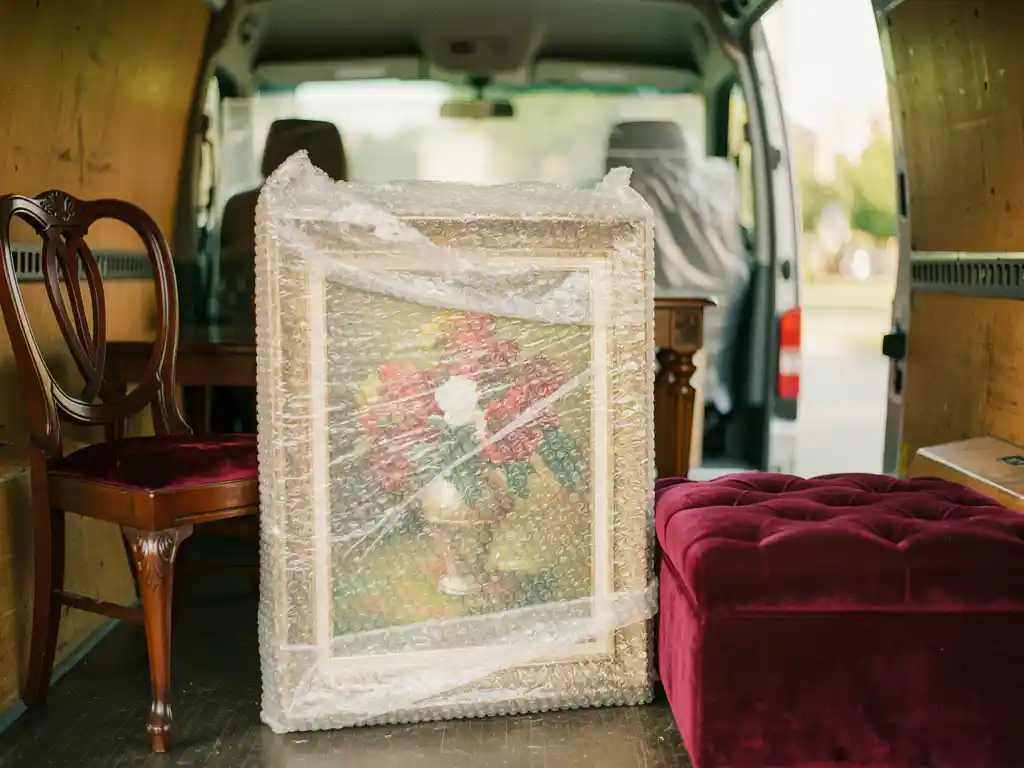
Transporting valuable artwork alongside furniture presents unique challenges that require specialized knowledge and careful planning. Unlike standard furniture shipping, art transport demands precise environmental controls, specialized packaging techniques, and comprehensive insurance coverage to protect irreplaceable pieces during transit.
Whether you’re moving a single painting with office furniture or coordinating a complete gallery relocation, understanding the specific requirements for art transport ensures your valuable pieces arrive safely at their destination. The combination of proper handling protocols, climate management, and expert logistics coordination makes all the difference in preserving artistic treasures during transport.
What makes transporting artwork different from regular furniture shipping?
Art transport requires specialized handling protocols, climate-controlled environments, and custom packaging solutions that standard furniture shipping doesn’t provide. Artwork is typically more fragile, more valuable, and more sensitive to environmental changes than conventional furniture pieces.
The primary differences include temperature and humidity control requirements, which must remain stable throughout the journey to prevent cracking, warping, or other damage. Vibration control becomes critical, as even minor jolts can cause irreversible harm to paintings, sculptures, or delicate installations. Security measures also increase significantly, with GPS tracking, sealed containers, and sometimes armed escorts for high-value pieces.
Handling techniques differ substantially from furniture transport. Art handlers receive specialized training in proper lifting, wrapping, and positioning techniques. They understand how different materials react to movement and environmental changes, ensuring each piece receives appropriate care based on its medium, age, and condition.
How do you properly package artwork for transport with furniture?
Proper art packaging involves custom-built crates, archival materials, and protective barriers that isolate artwork from furniture and external impacts. Each piece requires an individual assessment to determine the appropriate level of protection and the right packaging materials.
For paintings, acid-free tissue paper provides the first layer of protection, followed by foam padding and custom-fitted wooden crates with climate barriers. Sculptures need specialized cradles that distribute weight evenly and prevent pressure points. Glass artworks require additional shock-absorbing materials and “fragile glass” indicators throughout the packaging.
When combining art with furniture shipments, clear separation becomes essential. Artwork should never share the same space as furniture items, as shifting loads can cause damage. Professional packers create dedicated compartments within transport vehicles, using strapping systems and padding to prevent any contact between art pieces and furniture during transit.
What climate control requirements are essential for art transport?
Art transport requires maintaining temperatures between 65 and 70°F (18–21°C) and relative humidity levels of 45–55% throughout the entire journey. These controlled conditions prevent expansion, contraction, and moisture damage that can permanently harm artwork.
Temperature fluctuations pose significant risks, particularly for oil paintings and wooden sculptures that expand and contract with changes in heat. Rapid temperature shifts can cause paint to crack or separate from the canvas, while extreme cold can make materials brittle and prone to breaking.
Humidity control is equally critical, as excessive moisture promotes mold growth and warping, while insufficient humidity causes cracking and brittleness. Professional art transport vehicles use specialized HVAC systems with continuous monitoring and backup power sources to maintain stable conditions even during extended journeys or unexpected delays.
What insurance coverage do you need when shipping valuable art?
Comprehensive art insurance should cover the full appraised value of each piece, including coverage for damage, theft, and total loss during transport. Standard shipping insurance typically provides insufficient coverage for valuable artwork, making specialized art insurance essential.
Professional art insurance policies include “nail-to-nail” coverage, protecting artwork from the moment it leaves its original location until it is installed at the destination. This coverage extends beyond basic transport to include the handling, storage, and installation phases of the move.
Documentation requirements include recent appraisals, detailed condition reports with photographs, and proper provenance records. Insurance providers often require specific packaging standards and approved transport companies to validate coverage. Some policies also include conservation costs if restoration becomes necessary due to transport-related damage.
How do you choose the right logistics partner for art and furniture transport?
Select a logistics partner with demonstrated experience in fine art handling, climate-controlled transport capabilities, and comprehensive insurance coverage specifically designed for valuable artwork. Look for certifications from professional art handling organizations and verified track records with museums or galleries.
Essential qualifications include trained art handlers on staff, specialized transport vehicles with climate control systems, and established protocols for security and tracking. The logistics partner should provide detailed transport plans, condition reporting services, and 24/7 monitoring capabilities for high-value shipments.
Evaluate their project logistics capabilities, particularly their experience coordinating complex moves that combine artwork with furniture installations. Request references from previous art transport projects and verify that their insurance coverage limits match your artwork’s value.
How Jan Krediet helps with art transport and furniture logistics
We specialize in complex project logistics that require the careful coordination of valuable artwork alongside furniture installations. Our experienced project team understands the unique requirements of art transport and creates customized solutions that ensure both artwork and furniture arrive safely at their destination.
Our comprehensive approach includes:
- Climate-controlled transport vehicles with continuous monitoring systems
- Trained art handlers experienced in museum-quality packaging and handling techniques
- Custom crating and protective packaging solutions for each type of artwork
- Comprehensive insurance coverage and detailed condition reporting
- Coordinated installation services that integrate artwork placement with furniture setup
- 24/7 project coordination and real-time tracking throughout transport
Whether you’re relocating an office with a valuable art collection, setting up a gallery space, or coordinating a complete interior design project, our team manages every detail from initial planning through final installation. Ready to discuss your art and furniture transport needs? Contact our project logistics specialists to develop a customized transport solution that protects your valuable pieces while meeting your project timeline.