




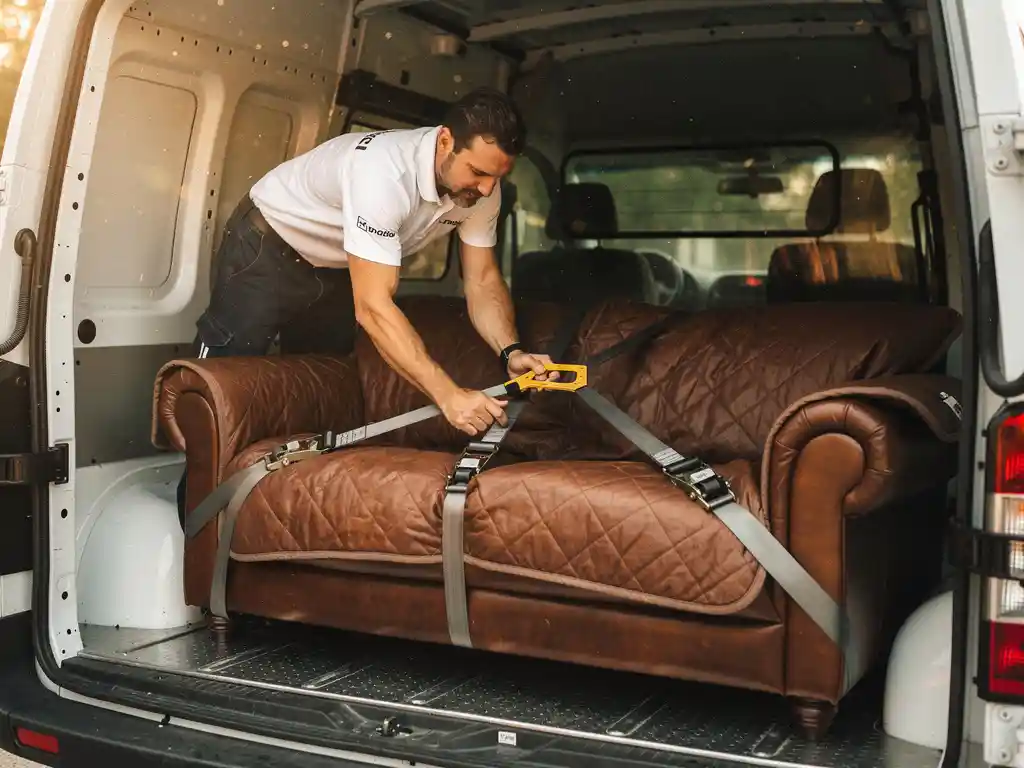
Successful furniture transport operations depend on skilled, well-trained teams that can handle delicate items while maintaining exceptional customer service. Given the complexity of modern logistics and the value of the furniture being transported, comprehensive furniture transport training has become essential for companies looking to minimize damage, ensure safety, and build customer loyalty.
The furniture logistics industry requires specialized knowledge that goes far beyond basic driving skills. From understanding proper lifting techniques to mastering customer interaction protocols, transport teams need extensive preparation to excel in this demanding field.
What specific skills do furniture transport workers need?
Furniture transport workers require a combination of physical handling expertise, technical knowledge, and customer service skills. Essential skills include proper lifting and carrying techniques, furniture protection methods, route planning, and professional communication with customers during deliveries.
The physical demands of furniture transport necessitate training in ergonomic lifting practices to prevent injury. Workers must master techniques for maneuvering heavy items through narrow spaces, up stairs, and around corners without causing damage to the furniture or the property. Understanding how different materials react to environmental conditions helps prevent warping, scratching, or other damage during transport.
Technical skills include vehicle operation, load securing, and inventory management. Transport teams must know how to load trucks properly to maximize space while ensuring items remain stable during transit. Modern logistics operations also require familiarity with digital tracking systems, delivery scheduling software, and mobile communication devices.
Problem-solving abilities become crucial when unexpected challenges arise, such as access restrictions at delivery locations or last-minute schedule changes. Workers need the confidence and knowledge to adapt quickly while maintaining service quality standards.
How long does furniture transport training typically take?
Comprehensive furniture transport training typically takes 2–4 weeks for new employees, with basic competency achieved in the first week and advanced skills developed over the following weeks. The duration varies based on prior experience, the complexity of the services offered, and specific company requirements.
Initial training usually begins with classroom sessions covering safety protocols, company procedures, and customer service standards. This foundational phase typically lasts 3–5 days and includes both theoretical knowledge and practical demonstrations of proper techniques.
Hands-on training follows, during which new employees work alongside experienced team members on actual deliveries. This mentorship phase allows trainees to apply their knowledge in real-world situations while receiving immediate feedback and guidance. Most companies structure this as a gradual progression, starting with simpler deliveries and advancing to more complex installations.
Specialized training modules may extend the timeline for teams handling high-value items, antiques, or complex installation services. These advanced programs can add an additional 1–2 weeks to ensure workers develop the precision and expertise required for premium services.
What safety certifications are required for furniture delivery teams?
Furniture delivery teams typically need commercial driving licenses, manual handling certifications, and first aid training. Additional requirements may include forklift operation licenses, hazardous materials handling certifications, and company-specific safety qualifications, depending on the scope of services provided.
Commercial driving licenses form the foundation, as most furniture transport involves vehicles requiring specialized licensing. The specific class depends on vehicle size and weight, with many operations requiring Class B or higher commercial licenses.
Manual handling certifications teach proper lifting techniques, weight distribution, and injury prevention strategies. These programs, often lasting 4–8 hours, significantly reduce workplace injuries and insurance claims while improving overall team performance.
- First aid and CPR certification for emergency response capabilities
- Forklift operation licenses for warehouse and loading activities
- Working-at-height safety training for multi-story deliveries and installations
- Hazmat certification for transporting certain furniture treatments or materials
Regular recertification ensures skills remain current and compliance with evolving safety regulations. Most certifications require renewal every 2–3 years, with some companies implementing annual refresher courses to maintain peak performance standards.
How do you train staff for fragile furniture handling?
Training staff for fragile furniture handling involves specialized techniques, including proper wrapping methods, cushioning systems, climate-control awareness, and careful maneuvering practices. This training emphasizes prevention strategies and requires extensive hands-on practice with various furniture types and protection materials.
The foundation begins with understanding different furniture materials and their vulnerabilities. Wood furniture requires protection from moisture and temperature fluctuations, while glass and ceramic pieces need shock absorption and secure positioning. Upholstered items demand protection from stains, tears, and compression damage.
Wrapping and protection techniques form a critical component of fragile-handling training. Workers learn to use moving blankets, bubble wrap, corner protectors, and specialized covers effectively. Proper wrapping not only prevents damage but also makes items easier to handle safely during transport.
Environmental awareness training helps teams understand how temperature, humidity, and vibration affect different materials during transport. This knowledge enables proactive protection measures and helps teams make informed decisions about routing and timing for sensitive deliveries.
What customer service training do furniture delivery teams need?
Furniture delivery teams need comprehensive customer service training covering professional communication, problem resolution, installation guidance, and damage-reporting procedures. This training ensures positive customer experiences and builds brand reputation through every interaction during the delivery process.
Communication skills training focuses on clear, professional interaction from initial contact through delivery completion. Teams learn to explain procedures, set realistic expectations, and keep customers informed throughout the process. This includes training on handling questions, providing updates on timing, and explaining any necessary procedures or restrictions.
Conflict resolution skills become essential when issues arise during delivery. Workers need training on how to address customer concerns calmly, when to involve supervisors, and how to document incidents properly. This preparation helps maintain positive relationships even when unexpected challenges occur.
Installation and placement guidance requires teams to understand furniture assembly basics, optimal placement considerations, and safety requirements. While not all delivery teams perform full installations, basic knowledge helps them provide valuable guidance and ensure customer satisfaction with the final placement.
How often should furniture transport teams receive refresher training?
Furniture transport teams should receive refresher training quarterly for safety protocols and annually for comprehensive skills updates. High-turnover positions or teams handling specialized items may require more frequent training sessions to maintain consistent service quality and safety standards.
Safety refresher training occurs most frequently due to regulatory requirements and the critical nature of injury prevention. Quarterly sessions allow teams to review proper lifting techniques, discuss recent incidents or near-misses, and update procedures based on new equipment or regulations.
Skills-based refresher training typically happens annually, covering customer service techniques, new equipment operation, and procedural updates. These sessions also provide opportunities to address performance issues, share best practices, and introduce new service offerings or technologies.
Seasonal training may be necessary for teams dealing with weather-related challenges or peak demand periods. This specialized training helps teams adapt to changing conditions and maintain service quality during challenging operational periods.
How Jan Krediet helps with furniture transport training
At Jan Krediet, we understand that exceptional furniture transport training is the foundation of successful logistics operations. With over 200 logistics professionals and nearly a century of experience, we have developed comprehensive training programs that ensure our teams deliver world-class service for furniture, kitchen, and project logistics solutions.
Our training approach combines:
- Specialized handling techniques for high-value furniture and delicate installations
- Advanced safety protocols developed through decades of industry experience
- Customer service excellence standards that have earned us recognition as a top logistics provider
- Continuous development programs that keep our 250-strong fleet operation at peak performance
- International best practices gained through our global network and Logistics Plus partnership
Whether you need consultation on developing training programs for your logistics team or require expert furniture transport services backed by thoroughly trained professionals, we are here to help. Contact us to discover how our expertise in logistics workforce development can benefit your operations.