




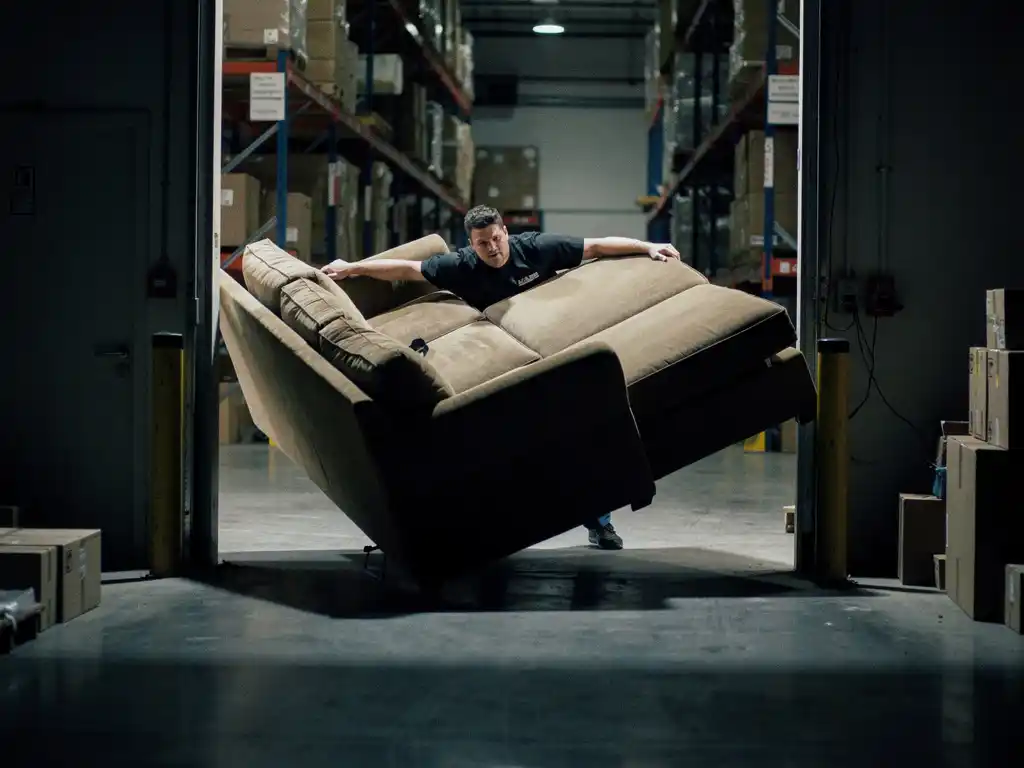
Furniture logistics presents unique challenges that set it apart from other product categories. From delicate upholstery to oversized dining tables, furniture items require specialized handling, storage, and transportation methods that can significantly complicate supply chain operations. Understanding which furniture categories create the most logistics problems helps businesses prepare for common shipping challenges and develop effective solutions.
The complexity of furniture logistics stems from the diverse nature of furniture products, each with distinct requirements for packaging, handling, and delivery. These challenges often result in increased costs, longer delivery times, and a higher risk of damage during transport.
What makes furniture logistics more challenging than other products?
Furniture logistics is significantly more complex than standard product shipping due to size variations, fragile materials, assembly requirements, and specialized handling needs. Unlike standardized consumer goods, furniture pieces often exceed standard shipping dimensions and require custom packaging solutions.
The primary challenges include irregular shapes that don’t fit standard shipping containers, heavy weights that require specialized equipment, and delicate surfaces prone to scratches and damage. Many furniture items also arrive partially assembled, requiring careful coordination among manufacturers, logistics providers, and installation teams.
Additionally, furniture often involves last-mile delivery challenges, including navigating narrow doorways, staircases, and tight spaces in residential and commercial buildings. These factors combine to create a logistics environment where standard shipping protocols simply don’t apply.
Which furniture categories are the most difficult to transport?
Kitchen cabinetry, oversized sectional sofas, and glass furniture pieces consistently rank among the most challenging furniture categories to transport. These items combine multiple risk factors, including size, weight, fragility, and complex installation requirements.
Kitchen installations present particular difficulties because they involve multiple coordinated deliveries, precise measurements, and often require specialized tools and expertise. Sectional sofas challenge logistics teams with their bulk and the need for careful maneuvering through residential spaces.
Other problematic categories include:
- Antique and vintage pieces requiring white-glove handling
- Modular office systems with multiple interconnected components
- Outdoor furniture exposed to weather-related shipping delays
- Custom-built pieces with unique dimensions and specifications
Why do kitchen installations cause the most logistics headaches?
Kitchen installations create the most logistics problems because they require precise timing coordination, multiple specialized deliveries, and complex sequencing of components. A typical kitchen project involves cabinets, countertops, appliances, and hardware arriving from different suppliers at specific intervals.
The challenge intensifies because kitchen components must arrive in a particular order to facilitate proper installation. Base cabinets typically arrive first, followed by countertops that require precise measurements, then upper cabinets, and finally appliances. Any delay in this sequence can halt the entire project.
Kitchen logistics also involve strict delivery windows, as installation teams need adequate space to work and homeowners often have limited flexibility. Damage to any single component can delay the entire project, making quality control throughout the supply chain absolutely critical.
How do oversized furniture pieces complicate warehouse operations?
Oversized furniture pieces disrupt standard warehouse operations by requiring specialized storage equipment, custom handling procedures, and significantly more floor space than typical inventory items. These pieces often cannot utilize standard racking systems and need dedicated storage areas.
Warehouse complications include the need for specialized lifting equipment, such as forklifts with extended-reach capabilities, and overhead cranes for extremely large pieces. Storage efficiency decreases dramatically as oversized items consume disproportionate amounts of warehouse space relative to their inventory value.
Loading and unloading operations become more time-intensive, requiring additional personnel and careful coordination to prevent damage. Many oversized pieces also require climate-controlled environments, further limiting storage options and increasing operational costs.
What shipping problems occur most frequently with upholstered furniture?
Upholstered furniture experiences frequent shipping problems, including fabric damage, moisture exposure, compression marks, and staining during transport. The soft materials and exposed fabrics make these pieces particularly vulnerable to environmental hazards and physical damage.
Common issues include tears and snags from improper handling, permanent indentations from stacking or compression, and discoloration from exposure to moisture or chemicals. Upholstered pieces also attract dirt and debris more readily than hard surfaces, requiring specialized protective packaging.
Temperature and humidity fluctuations during transport can cause fabric shrinkage, mold growth, or material degradation. These problems are often discovered only upon delivery, creating customer satisfaction issues and expensive return logistics processes.
How Jan Krediet helps with furniture logistics challenges
We specialize in solving complex furniture logistics problems through our comprehensive project logistics solutions. Our expertise in furniture transportation addresses the unique challenges each category presents:
- Specialized packaging and handling protocols for delicate upholstered pieces
- Coordinated multi-delivery scheduling for kitchen installations
- Climate-controlled storage facilities for sensitive furniture materials
- White-glove delivery services for high-value and antique pieces
- Custom warehousing solutions for oversized furniture inventory
- Assembly and installation services to complete the logistics chain
With over 60,000 square meters of warehouse space and 250 specialized vehicles, we handle furniture logistics challenges that other providers find too complex. Our experienced team understands the specific requirements of each furniture category and develops tailored solutions to minimize damage, reduce delays, and ensure successful deliveries. Contact us to discuss how we can solve your furniture logistics challenges.