




Project logistics requires careful coordination of timing, space, and resources to deliver furniture installations on schedule. While many furniture types work well within structured project timelines, certain pieces can create significant challenges that disrupt even the most carefully planned logistics operations. Understanding which furniture types present the greatest obstacles helps project managers make informed decisions and avoid costly delays.
The complexity of project logistics means that furniture selection goes far beyond aesthetics and functionality. Factors such as size, fragility, manufacturing timelines, and assembly requirements all play crucial roles in determining whether specific furniture pieces are suitable for time-sensitive project deliveries.
What makes certain furniture types unsuitable for project logistics?
Certain furniture types become unsuitable for project logistics when they cannot meet the strict timing, handling, or installation requirements that project deliveries demand. The primary factors include unpredictable lead times, complex handling needs, extensive assembly requirements, and incompatibility with standard logistics equipment and processes.
Project logistics operates on fixed deadlines, where delays can cascade through entire installation schedules. Furniture pieces that require specialized handling equipment, extended manufacturing periods, or delicate installation processes often conflict with the standardized approaches that make project logistics efficient. Additionally, pieces that cannot be safely transported using standard methods or that require climate-controlled environments throughout the supply chain add complexity that many project timelines cannot accommodate.
The logistics challenges extend beyond simple transportation. Furniture that requires on-site customization, has unpredictable availability, or needs specialized installation teams creates coordination difficulties that can derail entire project schedules. These factors make certain furniture types fundamentally incompatible with the structured, timeline-driven nature of project logistics operations.
Which oversized furniture pieces create the biggest logistics challenges?
Large conference tables, executive desks exceeding 12 feet, and modular seating systems with complex configurations create the most significant logistics challenges in project deliveries. These pieces often require special transport equipment, oversized vehicle permits, and custom handling procedures that conflict with standard project timelines.
Oversized furniture pieces present multiple complications for project logistics. First, they often cannot fit through standard doorways, elevators, or stairwells, requiring pre-delivery site surveys and potentially costly building modifications. Large pieces may need to be hoisted through windows or assembled on-site from components, adding complexity and time to installation schedules.
Transportation challenges multiply with oversized pieces. Standard delivery trucks cannot accommodate furniture exceeding certain dimensions, requiring specialized vehicles that may not be readily available when needed. Coordination between oversized transport and building access creates scheduling bottlenecks that can delay entire project phases. Additionally, these pieces often require multiple handlers and specialized equipment for safe maneuvering, increasing labor costs and coordination requirements.
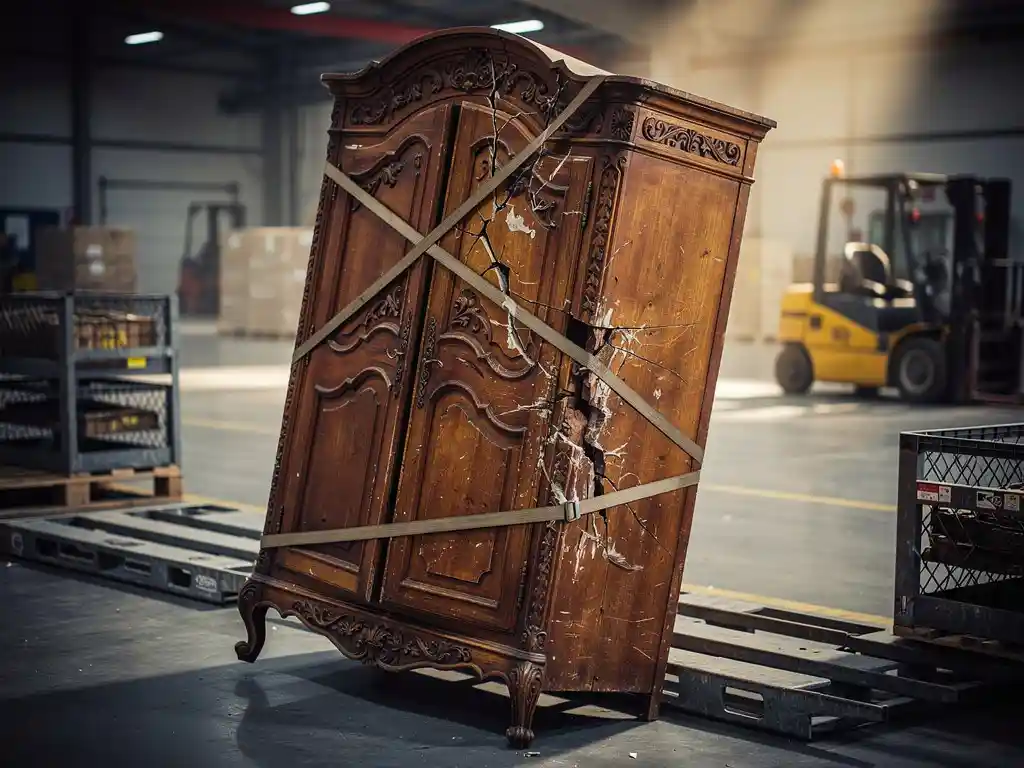
Why are antique and highly fragile furniture items problematic for project delivery?
Antique and highly fragile furniture items require specialized handling, climate control, and insurance coverage that exceed standard project logistics capabilities. These pieces demand custom packaging, trained handlers, and extended delivery timeframes that conflict with the efficiency and predictability needed for successful project completion.
The fragility of antique furniture necessitates handling procedures that are incompatible with high-volume project deliveries. Each piece requires individual assessment, custom protective packaging, and careful documentation of existing conditions. The transportation process must maintain stable temperature and humidity levels, often requiring climate-controlled vehicles that may not be available when project schedules demand delivery.
Insurance and liability concerns add another layer of complexity. Antique pieces often carry high values and are irreplaceable, creating risk exposure that many project logistics providers cannot accommodate within standard operations. The potential for damage claims and the need for specialized restoration services if problems occur make these items unsuitable for projects where multiple furniture deliveries must proceed simultaneously on tight schedules.
How do custom-built and made-to-order furniture pieces complicate project timelines?
Custom-built and made-to-order furniture pieces introduce unpredictable manufacturing lead times and quality control variables that can extend project schedules by weeks or months. Unlike standard furniture with known availability, custom pieces depend on manufacturer capacity, material availability, and approval processes that cannot be reliably scheduled within project logistics frameworks.
Manufacturing timelines for custom furniture vary significantly based on design complexity, material sourcing, and workshop capacity. These variables make it nearly impossible to guarantee delivery dates that align with project milestones. Changes in specifications, material availability, or manufacturing priorities can shift delivery schedules unexpectedly, creating cascading delays throughout project installations.
Quality control processes for custom pieces often require multiple approval stages, prototype reviews, and potential revisions that extend timelines beyond initial estimates. Unlike standard furniture that undergoes consistent quality processes, custom pieces may need rework or adjustments that cannot be anticipated during project planning. This unpredictability makes custom furniture unsuitable for projects where precise timing coordination is essential for successful completion.
What furniture assembly requirements make pieces unsuitable for tight project schedules?
Furniture requiring extensive on-site assembly, specialized tools, or multi-day installation processes creates scheduling conflicts that make pieces unsuitable for tight project timelines. Complex modular systems, height-adjustable workstations with electrical integration, and furniture requiring structural mounting present assembly challenges that exceed standard project logistics capabilities.
Assembly complexity directly impacts project scheduling efficiency. Furniture requiring specialized tools, electrical connections, or structural modifications demands skilled technicians whose availability may not align with project timelines. Multi-component systems that must be assembled in specific sequences can create bottlenecks when multiple installation teams need to work simultaneously across different project areas.
Coordination between assembly requirements and other project activities creates additional complications. Furniture installation often must occur after electrical and networking infrastructure is complete but before final cleaning and inspection phases. Pieces requiring extended assembly time or multiple visits from specialized technicians can disrupt this carefully orchestrated sequence, making them unsuitable for projects where timing coordination is critical for success.
How Jan Krediet helps with project logistics challenges
We understand that successful project logistics requires careful furniture selection and expert coordination to avoid the pitfalls that unsuitable furniture types can create. Our experienced project team helps clients navigate these challenges through comprehensive planning and specialized solutions tailored to each project’s unique requirements.
Our approach to managing challenging furniture logistics includes:
- Pre-project furniture assessment and suitability analysis
- Alternative sourcing recommendations for problematic pieces
- Specialized handling and transportation solutions for complex items
- Coordination with manufacturers to optimize delivery timing
- On-site assembly and installation management
- Risk mitigation strategies for high-value or fragile pieces
With over 100 years of logistics expertise and operations across more than 150 locations worldwide, we have the knowledge and resources to handle even the most challenging furniture logistics requirements. Our team works closely with clients to identify potential issues early and develop solutions that keep projects on schedule while ensuring safe, professional delivery and installation. Ready to discuss your project logistics needs? Contact us today to learn how we can help optimize your furniture logistics strategy.