




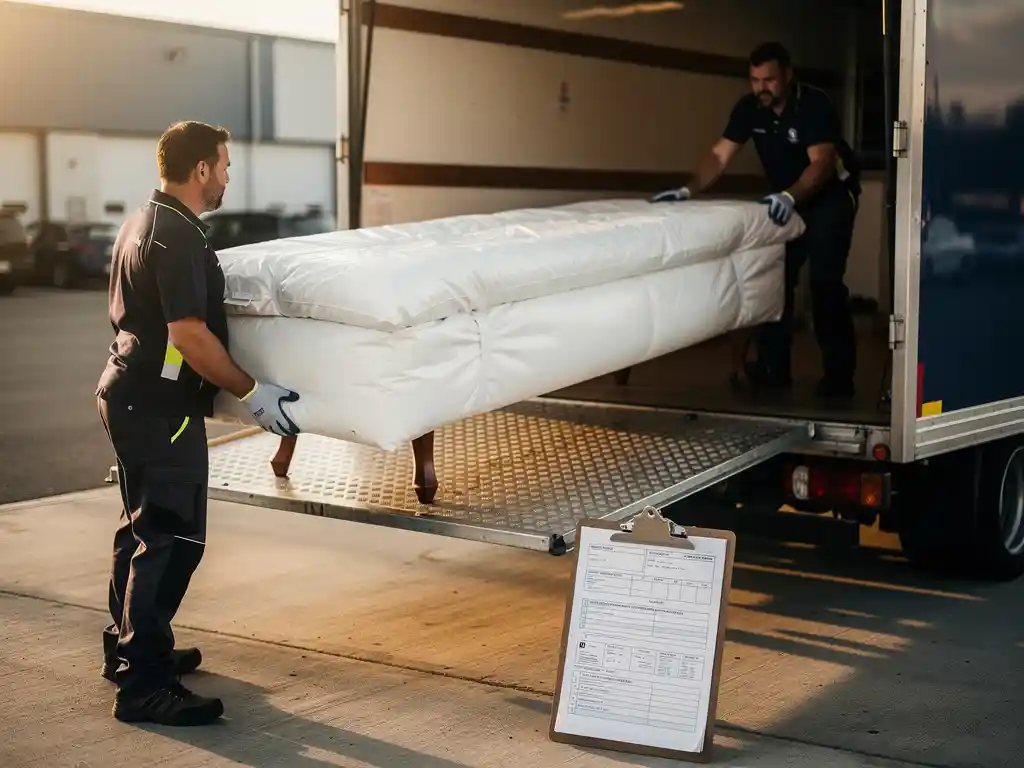
When managing furniture project logistics, proper insurance coverage is essential to protect valuable inventory, equipment, and business operations. The complex nature of furniture transport, storage, and installation creates multiple risk exposures that require comprehensive insurance protection to safeguard against financial losses.
Understanding which insurance policies are necessary helps furniture logistics companies maintain operational continuity while protecting their assets and client relationships. The right insurance framework ensures that unexpected events don’t derail project timelines or cause devastating financial impacts.
What types of insurance do furniture logistics companies need?
Furniture logistics companies typically require five essential types of insurance: general liability, commercial auto, cargo insurance, warehouse coverage, and workers’ compensation. These policies work together to protect against the unique risks associated with handling, transporting, and storing furniture.
General liability insurance covers third-party injury claims and property damage that might occur during loading, unloading, or delivery operations. Commercial auto insurance protects company vehicles and drivers during transport operations and is mandatory for any business operating commercial vehicles.
Professional liability insurance becomes crucial when providing consulting or project management services, as it covers errors and omissions in professional advice. Cyber liability insurance has also become increasingly important as logistics companies rely more heavily on digital systems for tracking, scheduling, and customer communications.
How does cargo insurance protect furniture during transport?
Cargo insurance provides comprehensive coverage for furniture while in transit, protecting against damage, theft, or total loss from the point of pickup to final delivery. This coverage extends beyond basic carrier liability to ensure full replacement-value protection for valuable furniture pieces.
The policy typically covers various perils, including collision, theft, fire, weather damage, and handling mishaps during loading and unloading. For furniture logistics, this protection is particularly valuable given the high value and fragile nature of many items, from antiques to modern designer collections.
Coverage can be structured as either specific shipment policies or annual blanket coverage that protects all cargo movements throughout the year. Many furniture logistics companies opt for blanket coverage to ensure consistent protection without the administrative burden of insuring individual shipments.
What’s the difference between carrier liability and cargo insurance?
Carrier liability provides limited coverage based on weight or mileage calculations, typically offering minimal compensation compared to actual furniture values, while cargo insurance provides full replacement-value coverage for damaged or lost items.
Standard carrier liability often caps coverage at extremely low amounts, sometimes as little as $0.60 per pound for lost or damaged goods. For a valuable dining room set weighing 200 pounds, this might provide only $120 in compensation—far below the actual replacement cost.
Cargo insurance fills this significant gap by covering the full declared value of furniture. This means that if a $5,000 bedroom set is damaged beyond repair, cargo insurance would cover the full replacement cost, while carrier liability might cover only a fraction of that amount based on weight calculations.
Do you need warehouse insurance for furniture storage?
Yes, warehouse insurance is essential for furniture storage operations. It covers inventory damage from fire, theft, water damage, and other covered perils while items are stored in your facility. This coverage protects both your business assets and customers’ property in your care.
Warehouse insurance typically includes building coverage for the physical structure, business personal property coverage for your equipment and office contents, and bailee coverage for customers’ goods in your possession. Bailee coverage is particularly important in furniture logistics, as you’re responsible for valuable customer property.
Additional considerations include business interruption insurance, which covers lost income if warehouse operations must cease due to covered damage. Given the seasonal nature of some furniture businesses and the importance of maintaining delivery schedules, this coverage helps maintain cash flow during facility repairs or relocation.
How much does logistics insurance cost for furniture companies?
Furniture logistics insurance typically costs between 1% and 3% of annual revenue, with exact premiums depending on company size, coverage limits, claims history, and specific risk factors such as high-value inventory or international operations.
Several factors influence insurance costs, including the types of furniture handled. Antiques and high-end pieces typically command higher premiums than standard commercial furniture. Geographic coverage area also affects costs, as international shipping involves additional risks and regulatory requirements.
Safety programs and risk management practices can significantly reduce premiums. Companies with comprehensive driver training, warehouse security systems, and documented safety procedures often qualify for substantial discounts. Working with insurance providers that understand furniture logistics can also help optimize coverage while controlling costs.
What happens if furniture gets damaged without proper insurance?
Without proper insurance, furniture companies face direct financial responsibility for damaged goods, potentially including full replacement costs, customer compensation claims, and legal expenses that can quickly escalate to business-threatening amounts.
The financial impact extends beyond immediate replacement costs. Companies may face lawsuits from customers, especially for high-value or irreplaceable items such as antiques or custom pieces. Legal defense costs alone can reach tens of thousands of dollars, even for claims that are ultimately unsuccessful.
Reputational damage often proves even more costly than direct financial losses. In today’s connected world, a single incident of uncompensated damage can generate negative reviews and social media coverage that affects future business. The long-term revenue loss from reputational harm frequently exceeds the cost of comprehensive insurance coverage.
How Jan Krediet helps with insurance for furniture logistics
We understand the critical importance of comprehensive insurance protection in furniture logistics and work closely with our clients to ensure their valuable inventory is properly covered at every stage of the logistics process. Our experienced team helps navigate the complex insurance landscape to identify the right protection for each specific project.
Our insurance support includes:
- Comprehensive cargo insurance coordination for high-value furniture shipments
- Risk assessment and mitigation strategies for complex project logistics
- Documentation support for insurance claims when incidents occur
- Collaboration with insurance providers to ensure seamless coverage transitions
- Specialized handling protocols that may qualify for reduced insurance premiums
As a full-service logistics partner with over 95 years of experience in furniture logistics, we’ve developed strong relationships with insurance providers that understand the unique challenges of furniture transport and storage. Contact us to discuss how our comprehensive approach to furniture logistics can help protect your valuable inventory while optimizing your insurance costs.