




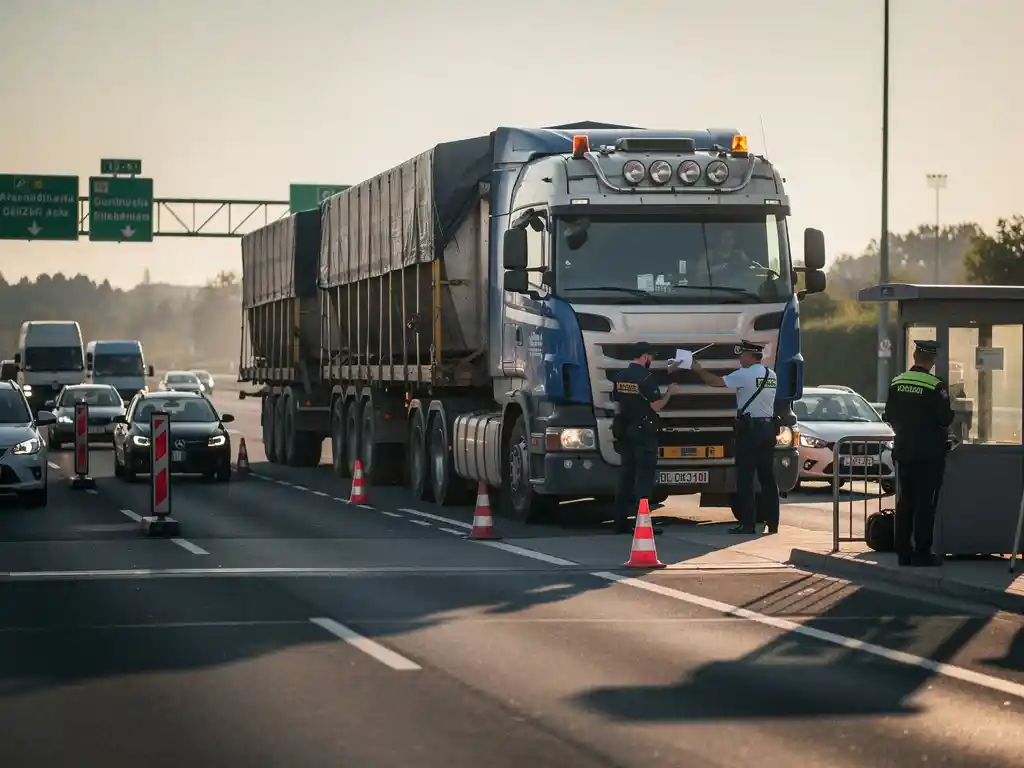
When planning heavy transport operations, understanding permit requirements is crucial for legal compliance and operational success. Heavy transport permits, also known as oversized load permits or abnormal load permits, are mandatory legal documents that authorize the movement of vehicles and cargo that exceed standard weight, dimension, or axle-load limits on public roads.
Whether you’re transporting construction equipment, industrial machinery, or specialized cargo, navigating the complex landscape of transport permits requires careful planning and a thorough understanding of regulations. The permit process varies significantly between jurisdictions and depends on multiple factors, including load specifications, route requirements, and timing considerations.
What permits are required for heavy transport operations?
Heavy transport operations typically require special movement permits when vehicles exceed standard legal limits for weight (usually over 40–44 tonnes), width (over 2.55 meters), height (over 4 meters), or length (over 18.75 meters). These permits authorize the temporary use of public roads for abnormal loads and ensure compliance with safety requirements.
The specific permits needed depend on your cargo specifications and route. Standard requirements include movement permits for oversized dimensions, weight permits for loads exceeding axle or gross-weight limits, and route-specific authorizations for designated highways. Some jurisdictions also require escort-vehicle permits, time-restricted movement permits to avoid peak traffic, and bridge-crossing authorizations for structures with weight limitations.
Additional permits may be necessary for hazardous materials, multi-vehicle convoys, or movements through environmentally sensitive areas. International transport often requires permits from each country along the route, making cross-border heavy haulage particularly complex from a regulatory standpoint.
How do you determine if your load needs a special permit?
Your load requires a special permit if it exceeds any standard legal transportation limits for weight, width, height, or length in your operating jurisdiction. Most countries set maximum gross vehicle weights between 40 and 44 tonnes, widths around 2.55 meters, heights near 4 meters, and lengths of approximately 18.75 meters.
Start by measuring your complete transport configuration, including the vehicle, trailer, and cargo. Calculate the total gross weight, measure the widest point of your load, check the highest point from ground level, and determine the overall length from front to rear. Compare these measurements against the legal limits in each jurisdiction where you’ll be traveling.
Consider factors beyond basic dimensions, such as axle-weight distribution, overhang distances, and ground-clearance requirements. Some loads may fall within overall dimension limits but still require permits due to axle-weight concentrations or unusual cargo characteristics that affect road safety or infrastructure.
What’s the difference between national and local transport permits?
National transport permits authorize heavy-vehicle movements across entire countries or major highway networks, while local permits are issued by regional authorities for movements within specific municipalities, counties, or local road networks. National permits typically cover major highways and trunk roads managed by federal or national transportation departments.
National permits often have standardized requirements and fees, making them more predictable for planning purposes. They’re usually required for long-distance transport and interstate or inter-regional movements. However, national permits may not authorize travel on local roads, requiring additional local permits for final delivery or pickup locations.
Local permits address specific regional concerns such as bridge weight limits, narrow urban streets, or seasonal road restrictions. Local authorities may impose additional requirements such as specific travel times, escort vehicles, or route modifications to protect local infrastructure and minimize traffic disruption.
How long does it take to get heavy transport permits?
Heavy transport permit processing times typically range from 2 to 10 working days for standard applications, though complex or unusual loads may require 2 to 4 weeks. Emergency permits can sometimes be processed within 24 to 48 hours for urgent situations, usually for premium fees.
Processing times depend on several factors, including load complexity, route-analysis requirements, and authority workload. Simple overweight permits are often processed the fastest, while oversized loads requiring detailed route surveys take longer. Cross-border movements requiring multiple permits can extend timelines significantly.
Plan permit applications well in advance, especially during peak construction seasons when permit offices experience higher volumes. Some authorities offer expedited processing for additional fees, while others maintain strict processing schedules regardless of urgency. Always factor permit processing time into your project timeline to avoid costly delays.
What documentation do you need for permit applications?
Permit applications typically require vehicle registration documents, detailed load specifications including weight and dimensions, route plans with start and end points, and proof of adequate insurance coverage. Most authorities also require completed application forms with accurate technical details about your transport configuration.
Essential documentation includes vehicle specifications showing axle configurations and weight ratings, cargo details with precise measurements and weight distribution, driver licensing information demonstrating heavy-vehicle qualifications, and route justification explaining why standard roads cannot accommodate your load.
Additional requirements may include engineering reports for extremely heavy loads, escort-vehicle arrangements with certified operators, schedules showing proposed travel windows, and environmental impact assessments for sensitive routes. Keep all documentation readily accessible, as authorities may request additional information during processing.
How much do heavy transport permits cost?
Heavy transport permit costs vary widely based on load specifications, distance, and jurisdiction, typically ranging from €50 to €500 for standard permits, with complex or extremely heavy loads potentially costing €1,000 to €5,000 or more. Costs generally increase with load size, weight, and route complexity.
Fee structures often include base permit costs, distance-based charges, and additional fees for special requirements such as escort vehicles or route surveys. Some authorities charge flat rates, while others use sliding scales based on weight or dimension exceedances. International movements require separate permits for each country, multiplying total costs.
Budget for additional expenses beyond permit fees, including escort-vehicle costs, route-survey fees, and potential infrastructure-damage bonds. Emergency or expedited processing typically incurs premium charges of 50% to 100% above standard rates. Consider these costs early in project planning to ensure accurate budget allocation.
How Jan Krediet Helps with Heavy Transport Permits
At Jan Krediet, we understand that navigating heavy transport permit requirements can be complex and time-consuming. Our experienced logistics team handles the entire permit process for your heavy haulage needs, ensuring compliance and minimizing delays. We provide:
- Complete permit application management across European jurisdictions
- Route planning and optimization to minimize permit requirements
- Documentation preparation and regulatory compliance support
- Coordination with local authorities and escort services
- Real-time permit status tracking and updates
With over 99 years of logistics expertise and our comprehensive furniture logistics services, we ensure your heavy transport operations proceed smoothly from planning to delivery. Our team’s deep understanding of European transport regulations and established relationships with permit authorities streamline the entire process.
Ready to simplify your heavy transport permit requirements? Contact us today to discuss how we can handle your complex logistics needs with our full-service approach to heavy haulage and specialized transport solutions.