




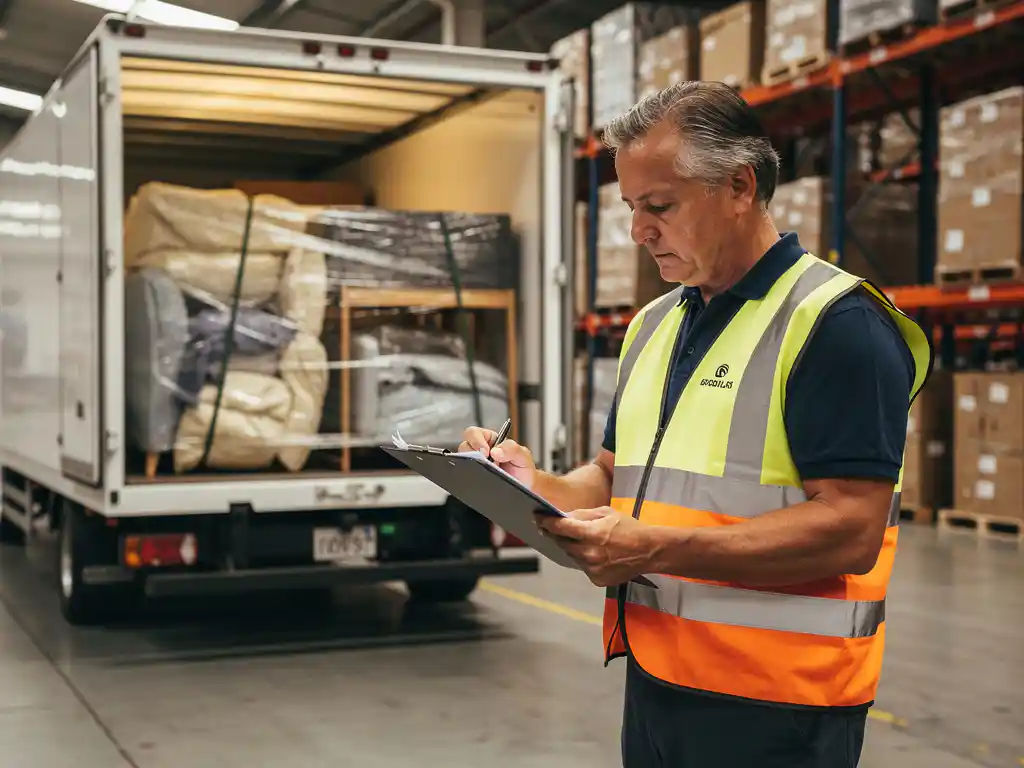
When transporting valuable furniture, security becomes a critical concern for businesses and consumers alike. From high-end office installations to delicate antiques, furniture transport requires comprehensive security protocols to protect against theft, damage, and loss throughout the supply chain.
The furniture logistics industry has developed sophisticated security frameworks that encompass everything from vehicle tracking systems to specialized insurance coverage. Understanding these protocols helps businesses make informed decisions about their transport partners and ensures valuable inventory reaches its destination safely.
What are the main security protocols for furniture transport?
The main security protocols for furniture transport include secure vehicle specifications, driver verification procedures, route optimization, real-time monitoring systems, and controlled loading and unloading processes. These protocols work together to create multiple layers of protection throughout the transportation journey.
Vehicle security begins with proper equipment specifications. Transport vehicles must feature secure locking mechanisms, reinforced cargo areas, and tamper-evident seals. Many logistics providers use GPS-enabled vehicles with immobilization systems that can remotely disable a vehicle if unauthorized movement is detected.
Driver security protocols involve comprehensive background checks, regular training updates, and strict documentation procedures. Drivers must follow predetermined routes, maintain communication schedules, and use secure handover procedures at delivery points. Access to cargo areas is typically restricted to authorized personnel only.
Loading and unloading security measures include witnessed transfers, photographic documentation of cargo condition, and secure staging areas. Professional furniture logistics providers implement controlled-access zones where only verified personnel can handle merchandise during transfer operations.
How do tracking systems protect furniture during transport?
Tracking systems protect furniture during transport by providing real-time location monitoring, route verification, environmental condition alerts, and immediate notification of any unauthorized stops or deviations from planned routes. These systems create a digital chain of custody that enhances security and accountability.
Modern GPS tracking technology offers precise location data updated every few minutes, allowing logistics coordinators to monitor vehicle progress and identify potential security issues immediately. Advanced systems can detect unusual stops, route deviations, or extended idle times that might indicate security breaches.
Environmental monitoring capabilities protect sensitive furniture by tracking temperature, humidity, and shock levels during transport. These sensors can trigger alerts if conditions exceed safe parameters, enabling immediate corrective action to prevent damage to valuable items.
Digital documentation systems create tamper-proof records of pickup times, delivery confirmations, and condition reports. This electronic trail provides crucial evidence for insurance claims and helps identify exactly when and where any security incidents occurred during the transport process.
What insurance coverage applies to furniture shipping?
Insurance coverage for furniture shipping typically includes cargo insurance for loss or damage, liability insurance for third-party claims, and specialized coverage for high-value items. Coverage levels vary based on cargo value, transport distance, and specific risk factors associated with the shipment.
Cargo insurance provides primary protection against physical loss, theft, or damage to furniture during transport. Standard coverage usually includes protection against collision, fire, theft, and natural disasters. However, coverage limits and deductibles vary significantly between policies and transport providers.
Liability insurance protects against third-party claims that might arise during transport operations. This coverage becomes particularly important for commercial furniture installations, where delays or damage could affect business operations and result in consequential-loss claims.
High-value furniture often requires specialized insurance riders or higher coverage limits. Antiques, custom pieces, or designer furniture may require additional appraisal documentation and specific handling requirements to maintain full insurance protection throughout the transport process.
Which compliance standards must furniture transporters follow?
Furniture transporters must follow international transport regulations, customs compliance requirements, safety standards for hazardous materials, and industry-specific quality certifications. These compliance standards ensure safe, legal, and professional transport operations across different jurisdictions.
International transport compliance includes adherence to customs documentation requirements, import/export regulations, and cross-border security protocols. Transporters must maintain proper licensing for international operations and comply with destination-country requirements for furniture imports.
Safety compliance covers vehicle maintenance standards, driver qualification requirements, and hazardous materials handling procedures. Some furniture may contain materials that require special handling permits or documentation, particularly items with chemical treatments or composite materials.
Quality certifications such as ISO 9001 for quality management and ISO 14001 for environmental management demonstrate a transporter’s commitment to professional standards. Many commercial clients require these certifications as minimum qualifications for furniture logistics partnerships.
How do warehouses secure furniture inventory?
Warehouses secure furniture inventory through controlled access systems, surveillance monitoring, climate control measures, inventory tracking technology, and specialized storage configurations. These security measures protect valuable furniture from theft, damage, and environmental deterioration during storage periods.
Physical security systems include perimeter fencing, security lighting, alarm systems, and 24-hour surveillance monitoring. Access control systems use key cards, biometric scanners, or security codes to ensure only authorized personnel can enter storage areas containing valuable furniture inventory.
Inventory management systems use barcode or RFID technology to track individual pieces throughout the warehouse. These systems maintain real-time records of item locations, condition status, and movement history, making it immediately apparent if any pieces go missing or are moved without authorization.
Environmental security protects furniture from damage through climate control systems, moisture monitoring, and pest control measures. Proper storage configurations prevent damage from stacking, impacts, or exposure to harmful environmental conditions that could compromise furniture integrity.
How Jan Krediet helps with furniture transport security
We provide comprehensive security solutions for furniture transport through our advanced tracking systems, specialized vehicles, and proven security protocols. As a leading European logistics provider with more than 100 years of experience, we understand the unique security challenges of furniture transportation.
Our security approach includes:
- A GPS-enabled vehicle fleet with real-time monitoring capabilities
- Trained drivers with verified backgrounds and security certifications
- Secure warehouse facilities with 24/7 surveillance and climate control
- Comprehensive insurance coverage for high-value furniture
- International compliance expertise through our MACH-3000 network membership
With more than 60,000 square meters of secure warehouse space and a fleet of 250 specialized vehicles, we ensure your valuable furniture receives the highest level of protection throughout the entire logistics chain. Contact us today to discuss how our security protocols can protect your furniture transport needs.