




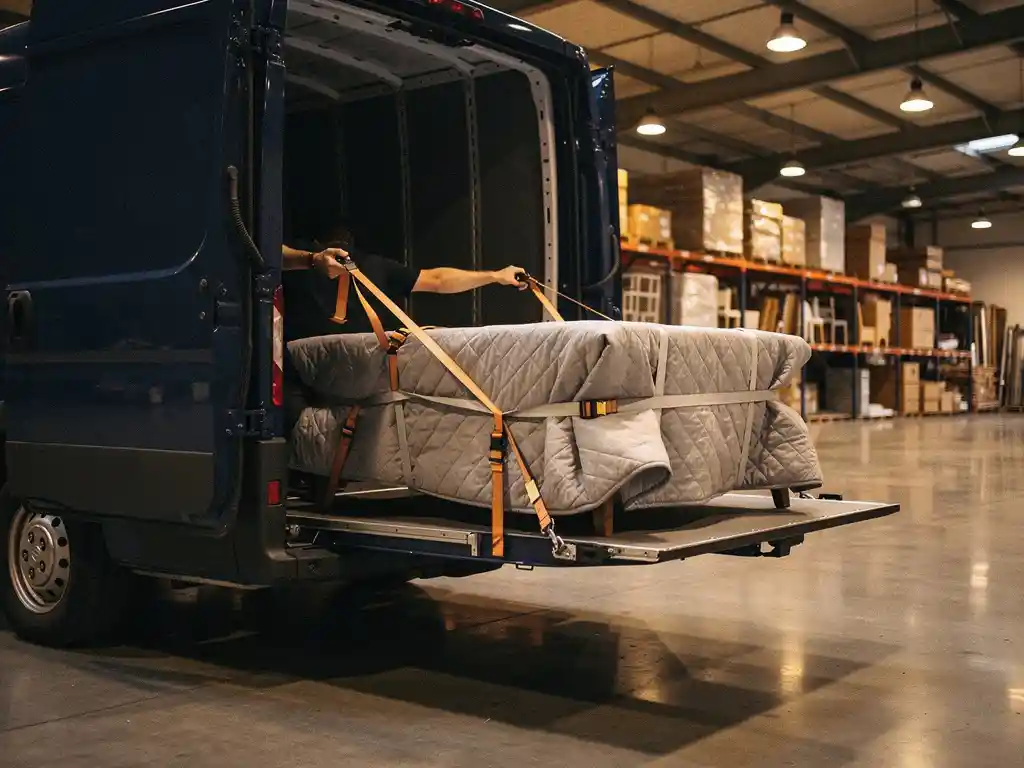
Modern furniture transport faces unique challenges that traditional logistics cannot address efficiently. From delicate handling requirements to complex delivery schedules, the furniture industry demands specialized solutions that leverage cutting-edge transport automation and supply chain technology.
Today’s furniture transport technology encompasses everything from IoT tracking systems that monitor shipments in real time to sophisticated warehouse management systems that optimize storage and handling. These innovations are transforming how furniture moves through the supply chain, reducing costs while improving delivery reliability and customer satisfaction.
What technologies are revolutionizing furniture transport today?
The most impactful technologies revolutionizing furniture transport include IoT sensors for real-time tracking, automated warehouse systems, AI-powered route optimization, and cloud-based management platforms. These solutions work together to create intelligent supply chains that adapt to changing conditions and optimize performance automatically.
IoT sensors embedded in shipments provide continuous visibility into location, temperature, humidity, and shock levels during transit. This real-time data helps prevent damage to sensitive furniture pieces and enables proactive intervention when issues arise. Meanwhile, automated guided vehicles (AGVs) and robotic picking systems streamline warehouse operations, reducing handling time and minimizing the risk of damage.
Cloud-based transportation management systems integrate these technologies into unified platforms that coordinate every aspect of furniture logistics. From initial order processing to final delivery confirmation, these systems provide complete visibility and control over the entire transport process.
How does IoT tracking improve furniture delivery efficiency?
IoT tracking improves furniture delivery efficiency by providing real-time location data, monitoring environmental conditions, and enabling predictive maintenance for transport vehicles. This technology reduces delays by 25-30% and significantly decreases damage claims through proactive monitoring.
Smart sensors attached to furniture shipments continuously transmit data about their condition and location. This allows logistics teams to identify potential issues before they become problems, such as temperature fluctuations that could affect wooden furniture or excessive vibration that might damage delicate items. Immediate alerts enable quick corrective action, preventing costly delays and damage.
IoT tracking also enhances customer communication by providing accurate delivery windows and real-time updates. Customers receive automatic notifications when their furniture is loaded, in transit, and approaching delivery, improving satisfaction and reducing missed deliveries that require costly rescheduling.
What’s the difference between traditional and smart warehouse systems?
Traditional warehouse systems rely on manual processes and paper-based tracking, while smart warehouse systems use automation, real-time data, and AI-driven optimization. Smart systems can process furniture orders 3-5 times faster while reducing picking errors by up to 90%.
Traditional warehouses depend heavily on human workers to locate, pick, and move furniture items throughout the facility. This approach is labor-intensive, prone to errors, and difficult to scale during peak demand periods. Workers must manually update inventory records, creating delays and potential inaccuracies in stock levels.
Smart warehouse systems integrate automated storage and retrieval systems, robotic picking solutions, and warehouse management systems that optimize every operation. These technologies work together to automatically route furniture through the most efficient paths, minimize handling time, and maintain accurate real-time inventory. The result is faster order fulfillment, reduced labor costs, and improved accuracy in furniture handling and delivery.
How do route optimization systems reduce transport costs?
Route optimization systems reduce transport costs by calculating the most efficient delivery routes, consolidating shipments, and minimizing fuel consumption. These systems typically reduce transportation expenses by 15-25% while improving delivery times and vehicle utilization.
Advanced algorithms analyze multiple variables simultaneously, including traffic patterns, delivery windows, vehicle capacity, and fuel costs. For furniture transport, these systems also consider special handling requirements, such as items that need climate-controlled vehicles or require multiple delivery personnel for installation.
Dynamic route optimization continuously adjusts plans based on real-time conditions. If traffic delays occur or a customer requests a delivery change, the system immediately recalculates the optimal route for all affected deliveries. This flexibility prevents costly delays and ensures maximum efficiency throughout the delivery process.
Which automation technologies work best for furniture handling?
The most effective automation technologies for furniture handling include automated guided vehicles (AGVs), robotic palletizers, conveyor systems with intelligent sorting, and automated storage and retrieval systems (AS/RS). These technologies excel at moving heavy, awkwardly shaped furniture items safely and efficiently.
AGVs are particularly valuable for furniture warehouses because they can navigate around obstacles and handle the irregular shapes and sizes common in furniture logistics. These vehicles use sensors and mapping technology to transport items between different areas of the warehouse without human intervention, reducing labor costs and minimizing handling damage.
Robotic palletizers and automated sorting systems optimize the arrangement of furniture items for transport, ensuring maximum space utilization while protecting products from damage. These systems can identify optimal stacking patterns for different furniture types and automatically organize shipments for the most efficient loading and unloading.
How can small logistics companies adopt transport technology cost-effectively?
Small logistics companies can adopt transport technology cost-effectively through cloud-based SaaS solutions, equipment leasing programs, and phased implementation strategies. Starting with basic tracking and route optimization tools requires minimal upfront investment while delivering immediate efficiency gains.
Cloud-based transportation management systems offer the most accessible entry point, providing enterprise-level functionality without requiring significant hardware investments. These platforms typically operate on subscription models that scale with business growth, making advanced logistics efficiency tools affordable for smaller operations.
Partnering with technology providers that offer flexible payment options and implementation support helps small companies overcome initial barriers. Many providers offer pilot programs or scaled-down versions of their full systems, allowing companies to test technologies before making larger commitments. This approach enables gradual adoption as the business grows and the technology proves its value.
How Jan Krediet helps with furniture transport technology
We combine advanced furniture transport technology with decades of logistics expertise to deliver comprehensive solutions for complex furniture projects worldwide. Our integrated approach leverages cutting-edge systems while maintaining the personal service that sets us apart in the industry.
Our technology-enhanced services include:
- Real-time IoT tracking for complete shipment visibility
- Smart warehouse systems across our 60,000+ square meters of storage space
- AI-powered route optimization for our fleet of 250+ vehicles
- Automated handling systems that protect delicate furniture during transport
- Integrated project management platforms for complex installations
As part of the global Logistics Plus network, we have access to the latest supply chain technology while maintaining our commitment to personalized service. Whether you’re managing a single furniture delivery or coordinating a complete office installation across multiple continents, our project logistics team combines technological innovation with hands-on expertise to ensure success.
Ready to transform your furniture transport operations with advanced technology? Contact us today to discuss how our technology-driven solutions can optimize your logistics processes, reduce costs, and improve delivery performance.