




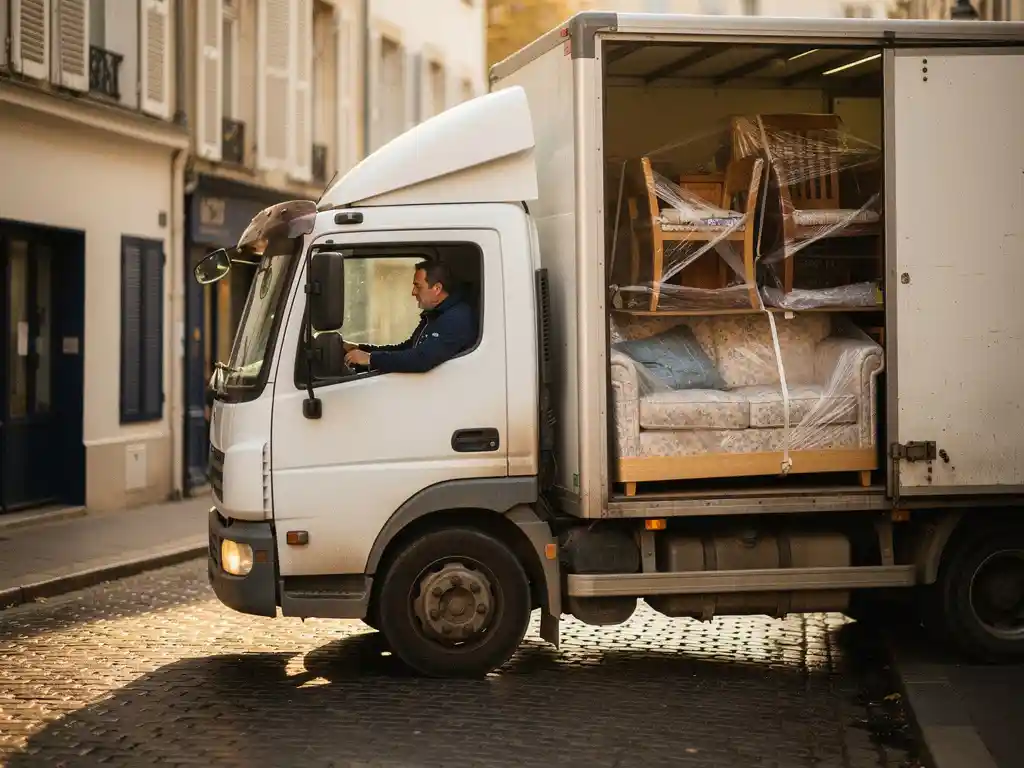
Experienced drivers are the single most important factor in professional furniture transport. Unlike standard cargo, furniture is bulky, fragile, and often irreplaceable, which means the person handling it must bring genuine skill, not just a valid licence. The questions below unpack exactly why driver expertise defines the quality of every furniture delivery.
What skills do experienced furniture transport drivers actually have?
Experienced furniture transport drivers combine physical handling expertise, spatial reasoning, and customer-facing professionalism into one role. They know how to secure irregular loads, navigate tight access points, and communicate clearly with end customers, all of which are skills that develop through years of hands-on practice rather than formal training alone.
On a practical level, seasoned furniture transport drivers understand load distribution. They know that a heavy wardrobe placed incorrectly in a trailer shifts weight during cornering and increases the risk of damage. They can read a floor plan before entering a building and mentally map the safest route for a large sofa before it leaves the van. This spatial awareness is built through repetition across hundreds of deliveries.
Beyond the physical, experienced drivers in furniture logistics develop strong situational judgement. They recognise when a stairwell is too narrow for a direct carry and know which alternative techniques to apply. They also understand how to manage customer expectations on delivery day, which is often the moment a buyer sees their purchase for the first time.
Why is furniture more difficult to transport than standard cargo?
Furniture is harder to transport than standard cargo because it combines high value, irregular shapes, fragile surfaces, and emotional significance in a way that most freight does not. A pallet of boxed goods can be stacked, strapped, and moved mechanically. A designer sofa or a hand-finished dining table cannot.
The physical challenges are significant. Furniture pieces are rarely uniform in size or weight. A single delivery might include a tall bookcase, a glass-topped coffee table, and a set of upholstered dining chairs, each requiring a different handling approach. Surfaces scratch easily, joints can loosen under vibration, and packaging that works for a warehouse environment is not always sufficient for a bumpy last-mile route.
There is also the question of access. Furniture deliveries frequently involve residential buildings with narrow staircases, lifts with tight dimensions, or newly built commercial spaces where floors and walls must not be marked. Standard cargo logistics rarely demands this level of environmental awareness from the driver. Professional furniture delivery requires someone who can solve these access problems on the spot without causing damage to the property or the product.
How does driver experience reduce damage during furniture delivery?
Driver experience reduces furniture damage by improving every decision made between loading and final placement. Experienced drivers choose the right protective materials, apply correct securing techniques, and handle pieces in ways that prevent the micro-impacts and surface contact that cause most delivery damage.
In practical terms, a driver with genuine furniture transport expertise will:
- Wrap vulnerable corners and surfaces before loading, not after
- Use blankets, straps, and load bars in combination rather than relying on a single method
- Position heavy items low and against the trailer wall to reduce movement
- Adjust driving style on poor road surfaces to minimise vibration transfer
- Inspect pieces at every transfer point to catch any developing issues early
Each of these habits sounds simple in isolation, but they require consistent discipline across an entire shift. An inexperienced driver may apply one or two correctly but miss others under time pressure. The cumulative effect of those small oversights is where damage happens.
What happens when furniture is delivered by inexperienced drivers?
When furniture is delivered by inexperienced drivers, the most common outcomes are surface damage, incorrect assembly, missed delivery windows, and poor customer experiences. These problems are costly for everyone involved, including the retailer, the logistics provider, and the end customer waiting for their order.
Surface damage is the most visible consequence. Scratches, dents, and scuffs that occur during transit or handling are often only discovered when the packaging is removed in the customer’s home. At that point, the item must be returned, replaced, or repaired, all of which create additional logistics costs and erode brand trust.
Beyond physical damage, inexperienced drivers often struggle with the customer interaction side of delivery. They may be unable to answer basic questions about assembly, unsure how to handle a complaint on the doorstep, or unfamiliar with the documentation required for a clean handover. In furniture logistics, the driver is frequently the only face-to-face contact a customer has with the brand, which means a poor delivery experience reflects directly on the retailer, not just the transport company.
How do experienced drivers handle last-mile furniture delivery challenges?
Experienced drivers handle last-mile furniture delivery challenges through preparation, adaptability, and clear communication. They arrive knowing the delivery address, any access restrictions, and the specific requirements of the pieces on board, and they adjust their approach when real-world conditions differ from what was planned.
Last-mile delivery is where experienced drivers in furniture transport earn their value most visibly. Urban environments present narrow streets, restricted parking, and buildings with no goods lift. Rural addresses can mean long driveways, uneven ground, and no additional help available. Experienced drivers anticipate these variables and carry the right equipment, including trolleys, straps, and protective floor coverings, as standard.
Communication is equally important. A skilled driver contacts the customer in advance to confirm timing, explains what will happen during the delivery, and manages expectations if a complication arises. This keeps the customer informed and reduces the frustration that comes from uncertainty. It also means problems are flagged and resolved quickly rather than escalating into formal complaints.
What should you look for in a furniture transport partner’s driver team?
When evaluating a furniture transport partner, look for a driver team with sector-specific experience, structured training, low turnover, and a clear service standard for customer interaction. These factors indicate a team that delivers consistently rather than one that performs well only under ideal conditions.
Sector-specific experience matters because furniture logistics has its own language, techniques, and expectations. A driver who has spent years moving general palletised freight will not automatically transfer those skills to a two-person sofa carry up a spiral staircase. Ask potential partners how long their drivers have worked specifically in furniture or interior logistics, and whether that experience covers both residential and commercial deliveries.
Low driver turnover is a strong quality signal. When a team stays together, knowledge accumulates and standards stabilise. High turnover often indicates pressure, poor conditions, or a business model that prioritises volume over quality, none of which serves a furniture brand well.
We have been active in specialist furniture transport since 1924, and our team of more than 200 logistics professionals operates across Europe with the experience and standards that high-value furniture delivery demands. If you want to understand how we approach driver quality and service consistency, our standards page gives a clear picture of what that looks like in practice.