




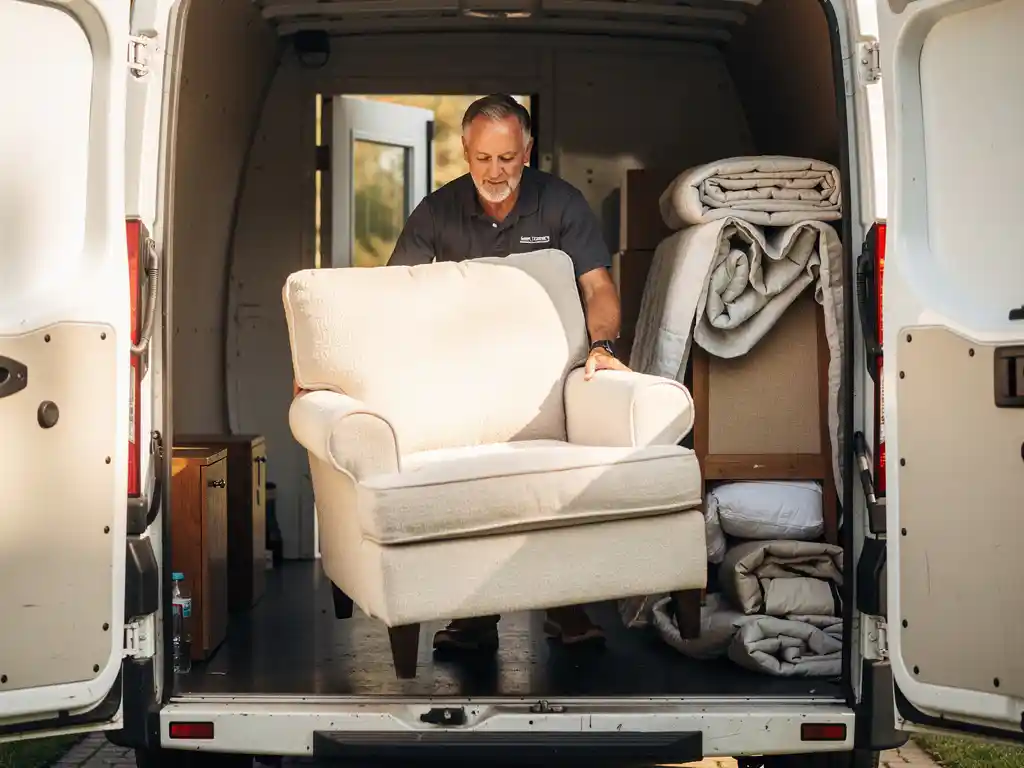
Product knowledge is essential for furniture transport drivers because it directly determines how safely and efficiently furniture is handled, loaded, secured, and delivered. Drivers who understand the materials, construction, and vulnerabilities of the items they carry make better decisions at every stage of the delivery process. The sections below unpack the specific types of knowledge required, how that knowledge protects products and customers, and what separates specialist training from standard driver preparation.
What types of product knowledge do furniture transport drivers need?
Furniture transport drivers need knowledge across four core areas: materials and construction, weight distribution and load dynamics, packaging and protection requirements, and assembly or installation basics. Together, these areas give drivers the understanding they need to handle items correctly from the moment they are loaded onto the vehicle to the point of final delivery at the customer’s location.
On the materials side, drivers benefit from knowing the difference between solid wood, MDF, glass, upholstered pieces, and metal frames. Each material responds differently to temperature changes, moisture, vibration, and pressure. A glass-topped dining table requires different securing techniques than a flat-pack wardrobe or a fabric sofa. Without this baseline understanding, drivers rely on guesswork rather than informed judgment.
Weight distribution knowledge is equally important. Furniture loads are rarely uniform. Knowing how to position heavy items low in the vehicle, balance the load across axles, and prevent lighter pieces from shifting during transit reduces both the risk of damage and the risk of vehicle instability. This is practical, safety-critical knowledge that goes well beyond a standard driving qualification.
Finally, many furniture deliveries involve some degree of assembly or placement at the delivery point. Drivers who understand how items fit together can spot packaging errors, identify missing components before leaving the warehouse, and communicate clearly with customers about what has been delivered and how it should be used.
How does product knowledge reduce damage during furniture delivery?
Product knowledge reduces damage during furniture delivery by enabling drivers to anticipate risk rather than react to it. When a driver understands which surfaces scratch easily, which joints are structurally vulnerable, and how packaging is designed to protect specific items, they apply the right handling technique before damage occurs rather than discovering a problem after it has happened.
Damage during furniture transport typically occurs at three points: loading, transit, and unloading. At each stage, informed handling makes a measurable difference.
- Loading: Drivers with product knowledge position items correctly, use appropriate padding and strapping, and avoid stacking incompatible pieces on top of one another.
- Transit: Understanding how different materials respond to road vibration helps drivers choose securing methods that hold throughout the journey, including on longer European routes.
- Unloading: Knowing the correct grip points, tilt angles, and carry techniques for specific furniture types prevents the corner chips, surface scratches, and structural stress that often happen when items are rushed through a doorway or stairwell.
Furniture logistics drivers who combine this hands-on knowledge with experience across a range of product types build an instinctive awareness of risk that significantly lowers the rate of damage claims. This protects the customer, the carrier, and the reputation of everyone involved in the supply chain.
Why does furniture product knowledge affect customer satisfaction?
Furniture product knowledge affects customer satisfaction because customers judge the entire delivery experience, not just whether the item arrived. A driver who can answer a question about the product, handle it with visible care, position it correctly in the home or workplace, and explain any assembly requirements leaves the customer feeling confident and well-served. A driver who cannot do these things creates doubt, even if the item arrives undamaged.
Furniture is a high-involvement purchase. Whether it is a family buying a new sofa or a business receiving an office fit-out, the customer has invested time and money in the decision. The delivery is the moment when that investment either feels validated or undermined. A knowledgeable driver who handles the item with professionalism reinforces the quality of the product itself.
There is also a practical dimension. Informed drivers are better equipped to manage delivery exceptions, such as access difficulties, packaging that needs to be removed before an item fits through a doorway, or a customer who has questions about care and maintenance. These moments of competence build trust and reduce the volume of follow-up complaints and service calls that erode customer satisfaction scores over time.
What’s the difference between standard and specialist furniture logistics training?
Standard transport driver training covers vehicle operation, road safety, load securing regulations, and basic handling techniques. Specialist furniture logistics training goes significantly further, adding product-specific knowledge, customer interaction skills, and scenario-based handling practice for the kinds of items and environments that furniture delivery actually involves.
What standard training covers
Standard training qualifies a driver to operate a vehicle safely and comply with transport regulations. It includes load restraint principles at a general level, but it does not address the specific vulnerabilities of furniture, the expectations of residential or commercial delivery environments, or the communication skills needed when delivering directly to an end customer.
What specialist furniture logistics training adds
Specialist training for furniture logistics drivers typically includes hands-on practice with different product categories, instruction on reading and interpreting packaging specifications, techniques for two-person carries in confined spaces, and guidance on how to communicate with customers professionally at the point of delivery. It may also cover installation basics for more complex pieces such as fitted kitchens or modular office furniture.
We invest in this level of specialist preparation across our driver team because the difference in delivery quality is significant and directly visible to the customer. Generic training simply does not prepare a driver for the realities of delivering a high-value upholstered piece to a fourth-floor apartment or completing a multi-room office installation on a tight project timeline.
How does driver product knowledge support compliance and liability management?
Driver product knowledge supports compliance and liability management by reducing the likelihood of handling errors that lead to damage claims, and by ensuring that drivers can document and communicate delivery conditions accurately. When a driver understands what they are carrying and how it should be treated, they are better positioned to identify pre-existing damage, apply the correct securing standards, and complete delivery records in a way that reflects the actual condition of the goods.
From a liability perspective, the chain of responsibility in furniture logistics is detailed. If an item is damaged in transit and the cause cannot be clearly attributed, disputes between shipper, carrier, and customer can become costly and time-consuming. Drivers who are trained to inspect items at collection, apply appropriate protection, and document the handover process create a clear record that protects all parties.
Compliance with load securing regulations is also product-specific. The correct restraint method for a glass panel differs from the method used for a flat-pack box or an upholstered chair. Drivers who understand these distinctions apply the right technique by default rather than applying a one-size approach that may not meet the required standard for a specific item type.
For businesses managing large-scale furniture projects across multiple sites or borders, working with logistics drivers who carry this level of product knowledge is not just a quality preference. It is a risk management decision that directly affects insurance outcomes, customer retention, and the operational efficiency of the entire supply chain. If you would like to learn more about how we approach furniture logistics, you are welcome to get in touch with our team.